
Views: 259 Author: Magic Household Cleaning Publish Time: 2026-07-19 Origin: Site

Content Menu
● What's Inside Laundry Scent Beads?
>> Common Ingredients And Their Roles
>> Why Beads Are So Attractive To Kids And Pets
● What Happens If Laundry Scent Beads Are Swallowed Or Touched?
>> Typical Outcomes After Ingestion
● Risks For Children, Pets, And Vulnerable Users
>> Why Extra Caution Is Needed
>> Household Practices That Reduce Risk
● Do Laundry Scent Beads Harm Washing Machines Or Clothing?
>> Potential Machine And Plumbing Effects
● When It Makes Sense To Skip Scent Beads
● How Responsible Manufacturing Can Reduce Risk
>> Clear And Practical User Guidance
● Step‑By‑Step Guide To Safer Scent Bead Use
● Are Laundry Scent Beads Toxic?
● FAQs About Laundry Scent Beads And Safety
Laundry scent beads have become a daily staple in many homes, but more and more families, pet owners, and professional cleaners are asking a simple question: are these tiny, great‑smelling pellets actually safe over the long term? From years of advising cleaning brands and manufacturing companies, my experience is that the answer is nuanced: scent beads can be used safely, but only with a clear understanding of their ingredients, their limits, and the people and fabrics they're used around.
Laundry scent beads (also called in‑wash scent boosters) are small, colorful pellets designed to add a strong, long‑lasting fragrance to clothes rather than clean them. They work by releasing concentrated perfume and other functional ingredients into the wash, binding scent to fibers so that clothes smell "fresh" for days or even weeks. When used correctly, most modern scent beads do not behave like highly toxic substances, but they are still concentrated chemicals, and that means they need to be handled with care around children, pets, and people with sensitive skin or lungs.
The safest way to evaluate any household product is to start with what it is made of. Scent beads are not magic; they are engineered, and each component plays a role in the way they smell, dissolve, and cling to fabric.
Most bead formulas contain several key groups of ingredients:
- Fragrance compounds
These are complex blends of aromatic chemicals. They give clothes their signature "clean" smell but can also be intense for people who are sensitive to strong scents. Some users report headaches, dizziness, or a feeling of "not being able to breathe freely" when exposed to heavily perfumed laundry, especially in small or poorly ventilated spaces.
- Polyethylene glycol (PEG) and other dispersants
PEG helps carry fragrance through the wash and ensures it is evenly distributed. In normal use on fabrics, PEG is generally well tolerated, but if swallowed in larger quantities it can cause stomach upset such as nausea or diarrhea. On the skin, some individuals with existing sensitivities may develop mild irritation or rashes.
- Colorants and dyes
Bright colors make beads look attractive and easy to identify in the product packaging. Unfortunately, this also makes them look interesting to curious toddlers and pets. Dyes can sometimes contribute to skin irritation for people who are already prone to contact dermatitis.
- Other functional additives
These can include binders, stabilizers, and ingredients that help control the release of fragrance over time. Their overall safety depends on both the type of chemical and the dose, but in standard household use they are typically formulated to stay within recognized safety margins.
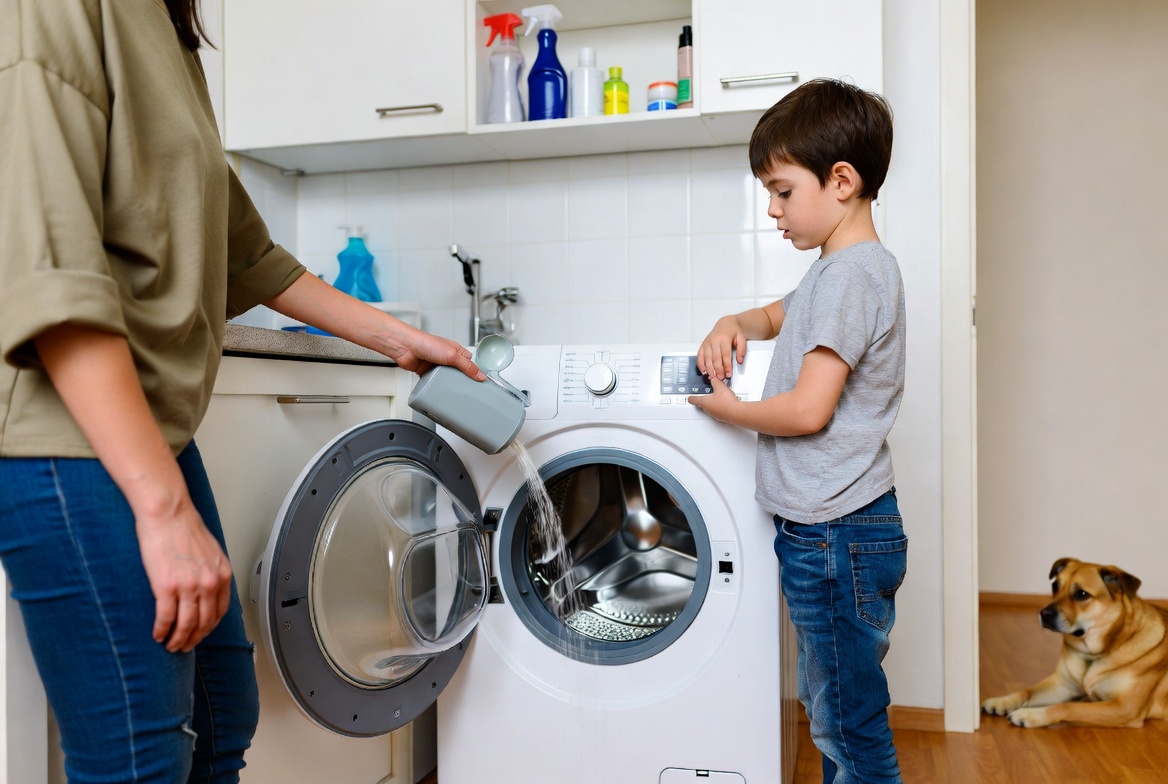
From a real‑world perspective, these pellets look and smell like candy. They are small, smooth, colorful, and often stored in easy‑open containers in laundry rooms that children and pets can access. This combination of shape, color, and scent raises the risk that a child might try to eat them or that a pet might chew on spilled beads. Even if the ingredients are not highly toxic in small amounts, the beads themselves can be a choking hazard and a source of unpleasant symptoms when swallowed.
Most reported incidents involve toddlers or young children swallowing a few beads. In many of these cases, the child experiences:
- An immediate reaction to the taste and texture and spits the beads out.
- Mild stomach discomfort, such as nausea or soft stools.
- Short‑lived irritation in the mouth or throat if the beads are chewed.
These symptoms are usually limited and resolve with simple home first aid, such as rinsing the mouth and offering water. However, swallowing a larger quantity of beads, repeated vomiting, or any sign of breathing difficulty is more serious and requires prompt medical attention. The pellets themselves are small, but in large clusters they could potentially obstruct the airway or cause more severe gastrointestinal effects.
For most people, touching dry beads or handling laundry washed with scent boosters causes no obvious reaction. However, individuals with eczema, very sensitive skin, or known fragrance allergies may notice:
- Itching, redness, or small hives where the skin contacts treated fabric.
- Flare‑ups of existing skin conditions after switching to heavily scented wash routines.
Eye exposure tends to be more immediately uncomfortable. If beads or bead dust get into the eyes, burning and stinging can occur, and quick, gentle rinsing with lukewarm water is important to limit further irritation. As with any household chemical, avoiding direct contact with the eyes is always best.
Fragrance is the main reason people buy scent beads, but it is also the main reason some people cannot tolerate them. In my work with households and product developers, the same patterns appear repeatedly:
- People with asthma or other chronic breathing conditions sometimes experience coughing or chest tightness when exposed to strongly scented laundry or an open container of beads.
- Fragrance‑sensitive individuals report headaches, dizziness, or a general feeling of malaise when they spend time in rooms with heavily perfumed fabrics.
- Families with children who have respiratory issues may find that heavily scented bedding or sleepwear worsens night‑time breathing.
For these groups, limiting or eliminating in‑wash fragrance boosters is often the most comfortable and practical choice.
Children and pets are not just smaller adults; their behavior and physiology create different risk profiles. Toddlers explore the world with their hands and mouths and may be drawn to any brightly colored object that smells nice. Pets do the same with their noses and teeth.
This leads to a few specific concerns:
- Small beads can be swallowed or inhaled, posing both chemical and mechanical risk.
- Spilled beads on the floor may attract pets, creating opportunities for accidental ingestion.
- Open containers stored low in laundry rooms offer easy access to curious hands and paws.
Older adults, people with chronic health conditions, and pregnant individuals may also prefer a more cautious approach to strong household fragrances, simply because of their increased vulnerability or heightened concern about chemical exposure.
Fortunately, simple habits can dramatically reduce the likelihood of a serious incident:
1. Store high and closed
Keep containers in a closed cabinet, out of reach and sight of children and pets.
2. Do not repackage beads into food‑like containers
Avoid glass jars, candy‑style tubs, or unlabeled boxes, which can confuse guests or children.
3. Clean up spills immediately
Sweep or vacuum spilled beads right away to remove both visual temptation and physical risk.
4. Use products only as intended
Do not place loose beads directly into dryers, drawers, or pockets. They are designed for use in the wash, where water and agitation help them dissolve.
These steps are simple but make a real difference in the day‑to‑day safety of any home that uses scent beads.
Toxicity is not only about human health. It also includes how a product affects equipment and fabrics over time.
Appliance technicians and plumbers have begun to share more observations from homes where beads are used heavily or incorrectly:
- Undissolved beads can accumulate in drain pumps and filters, leading to poor drainage or error codes.
- Residue can build up on the inner drum and outer tub, resulting in unpleasant smells or visible build‑up that requires cleaning cycles.
- Older or fragile plumbing systems may be less forgiving of repeated bead accumulation over many years.
These problems are not guaranteed, but they tend to appear more often in households that use large amounts of beads, choose very short wash cycles, or have older machine designs.
From a fabric‑care perspective, fragrance beads can sometimes leave marks or spots on clothing if they do not fully dissolve or if too many are used in a small load. Some users report light discoloration or a grainy feel on fabric that requires re‑washing.
Certain fibers also deserve extra caution. Highly elastic materials such as spandex, technical sportswear, and swimwear may not respond well to repeated exposure to concentrated fragrance and dispersant residues. Over time, these residues can contribute to loss of stretch, changes in feel, or unexpected wear patterns. For sensitive skin, trace residues left on fabric can become contact points for irritation, especially in areas with friction such as waistbands or collars.

While many households enjoy the smell of scented laundry, there are clear situations where avoiding beads altogether is the safer or more comfortable choice:
- Laundry for newborns and very young children with delicate skin.
- Clothing and bedding for people with asthma, chronic respiratory conditions, or strong fragrance sensitivity.
- Technical garments, sportswear, shapewear, and other high‑elasticity fabrics.
- Very small loads, quick‑wash cycles, or low‑temperature programs where beads may not dissolve fully.
- Older machines and plumbing systems already prone to clogs or drainage issues.
- Homes trying to reduce overall chemical load for environmental or personal‑health reasons.
- Shared living spaces where one member cannot tolerate strong scents.
In these contexts, fragrance‑free detergents or very mild fabric conditioners often provide a better balance between comfort, cleanliness, and health.
As a manufacturer dedicated to fabric‑care and home‑care products, it is not enough to follow minimum compliance standards. Real safety also depends on formulation choices, testing, and the way information is presented to everyday users.
A responsible laundry scent bead program typically:
- Chooses fragrance systems with established safety profiles under normal household exposure.
- Avoids unnecessary or higher‑risk additives where safer alternatives are available.
- Tests dissolution and performance across a range of machines, water hardness levels, temperatures, and load sizes.
- Monitors incident reports and user feedback to identify patterns of discomfort or mechanical issues and adjusts guidance or formulations in response.
This philosophy treats safety as an ongoing process rather than a one‑time checklist.
Safe design also includes clear communication. Labels and usage instructions should be:
- Direct about recommended doses and the consequences of over‑use.
- Explicit about storing the product away from children and pets.
- Honest about what beads do (add fragrance) and what they do not do (clean or remove stains).
When household users understand how the product works and where its limits are, they can make informed decisions about whether and how to use it in their own environment.
For families and professionals who choose to keep scent beads as part of their laundry routine, a few practical steps significantly reduce risk while preserving the fragrance benefits many people enjoy.
1. Start with a small dose
Use less than the maximum recommended amount for the first few loads, especially in smaller machines or with delicate fabrics.
2. Place beads in the drum first
Add beads directly to the empty drum, then put in clothes. This helps the beads contact water and dissolve more evenly.
3. Choose appropriate wash settings
Prefer standard or heavy‑duty cycles with enough water and agitation to dissolve beads thoroughly. Avoid very quick, low‑water programs when using boosters.
4. Monitor reactions in your household
Pay attention to skin, breathing, and general comfort. If anyone develops irritation, coughing, or headaches around freshly washed items, reduce or stop bead use and switch to a simpler routine.
5. Maintain your machine regularly
Run periodic cleaning cycles and check filters and drain pumps for signs of residue, especially if you use boosters often.
6. Review storage habits
Confirm that beads are stored high, closed, and not repackaged into food‑like containers. Make sure other caregivers in the home know and follow these habits.
By treating scent beads as a concentrated product that requires respect rather than as a casual accessory, households can enjoy fragrance while minimizing avoidable risks.
| Aspect | Typical Outcome | Relative Risk Level |
|---|---|---|
| Small ingestion by a child | Bad taste, mild stomach upset; usually short‑lived. | Low to moderate |
| Large ingestion or choking | Potential airway or stomach issues; needs urgent attention. | Higher |
| Skin contact | Often no issue; possible irritation in sensitive users. | Low to moderate |
| Eye exposure | Burning and stinging; requires prompt rinsing. | Moderate |
| Respiratory sensitivity | Headaches, coughing, or discomfort in sensitive people. | Moderate |
| Machine / plumbing impact | Possible clogs or residue with heavy or incorrect use. | Moderate |
| Impact on delicate fabrics | Potential stretch or fiber changes over time. | Moderate |
Taking into account ingredient profiles, typical exposure levels, household incident reports, and machine behavior, laundry scent beads are best described as concentrated, low‑to‑moderate risk fragrance products when used correctly. They are not intended to be eaten or handled carelessly, and they can cause discomfort or problems in certain situations, particularly for young children, pets, and individuals with respiratory or skin sensitivities.
The most practical way to use scent beads responsibly is to keep doses conservative, follow product directions closely, store them securely, and stay alert to how your household and equipment respond. For homes that value fragrance but also prioritize health and comfort, careful, informed use makes scent beads a manageable part of the laundry routine. For those with vulnerable members or strong sensitivity, a simpler, fragrance‑light or fragrance‑free approach is often the more reassuring path.
Q1: Can laundry scent beads cause serious poisoning in children?
Serious poisoning from small numbers of beads is uncommon, but swallowing them is still unsafe. Minor exposure often leads to mild symptoms like stomach upset, while larger amounts or any sign of choking or breathing difficulty require urgent medical evaluation.
Q2: Are laundry scent beads suitable for people with asthma or fragrance sensitivity?
People with asthma, chronic lung conditions, or strong sensitivity to perfume frequently find heavily scented boosters uncomfortable or triggering. In these households, it is often more comfortable to minimize or avoid bead use and rely on low‑fragrance or fragrance‑free detergents.
Q3: Do laundry scent beads damage washing machines or plumbing?
Beads that do not dissolve fully, or that are used in very large quantities, can accumulate in filters, drain pumps, and pipes over time. This can lead to poor drainage, error codes, or the need for repairs. Using conservative doses and regular cleaning cycles reduces these risks.
Q4: Are laundry scent beads safe for sensitive skin or eczema?
Many users tolerate beads well, but the combination of strong fragrance, dispersants, and dyes can aggravate sensitive or compromised skin. People with eczema or known contact allergies often do better with fragrance‑free wash routines and avoiding boosters.
Q5: Should scent beads be used on baby clothes and bedding?
Because infants have more delicate skin and developing respiratory systems, many caregivers choose a cautious approach and avoid strong fragrance products on baby fabrics. Mild, fragrance‑free detergents and simple routines generally provide a better balance of cleanliness and comfort for very young children.
1. My Chemical‑Free House – "A Toxicologist Reviews Downy Unstopables" https://www.mychemicalfreehouse.net/2025/07/a-toxicologist-reviews-downy-unstopables.html
2. Finice Cleaning – "Are Scent Beads Toxic? What Brands Need to Know About Safety" https://finicecleaning.com/are-scent-beads-toxic/
3. Poison.org – "Laundry Fragrance Booster Pellets and Kids" https://www.poison.org/articles/laundry-fragrance-booster-pellet-safety-213
4. Missouri Poison Center – "Laundry Scent Booster" https://missouripoisoncenter.org/is-this-a-poison/laundry-scent-booster/
5. AOL – "Are Scented Laundry Beads Bad for Your Washing Machine?" https://www.aol.com/scented-laundry-beads-bad-washing-133800589.html
6. LifeTips (Alibaba) – "When Not to Use Scented Laundry Beads: 7 Evidence‑Based Rules" https://lifetips.alibaba.com/laundry-secrets/when-not-to-use-scented-laundry-beads
7. MSN – "The Unnecessary Laundry Product With a Clean Reputation but a Dirty Truth" https://www.msn.com/en-us/lifestyle/cleaning-and-organizing/the-unnecessary-laundry-product-with-a-clean-reputation-but-a-dirty-truth
8. House Digest – "Think Twice Before Using Scent Booster Beads on Laundry Day" https://www.housedigest.com/1355137/dont-use-laundry-scent-booster-beads-cons-harmful-washing-machine/
9. Consumer NZ – "Laundry Scent Boosters in High Demand – But Are They Worth It?" https://www.consumer.org.nz/articles/laundry-scent-boosters-in-high-demand-but-are-they-worth-it
10. Parade – "Before You Use Scent Beads, Here's What You Should Know" https://parade.com/living/scent-beads


