
Views: 271 Author: Magic Household Cleaning Publish Time: 2026-07-15 Origin: Site
Content Menu
● What Happens When You Use Too Much Detergent?
● Quick Summary: How to Remove Excess Detergent
>> Step 1: Rewash Clothes Without Any Detergent
>> Step 2: Spot-Treat Visible Streaks or Blotches
>> Step 3: Choose the Right Water Temperature
>> Step 4: Use White Vinegar or Baking Soda for Stubborn Residue
>> Step 5: Don't Heat-Dry Until Residue Is Gone
● How to Prevent Detergent Buildup in the Future
>> Measure Detergent Accurately
>> Avoid Overloading the Washing Machine
>> Select an Extra Rinse for Sensitive Skin
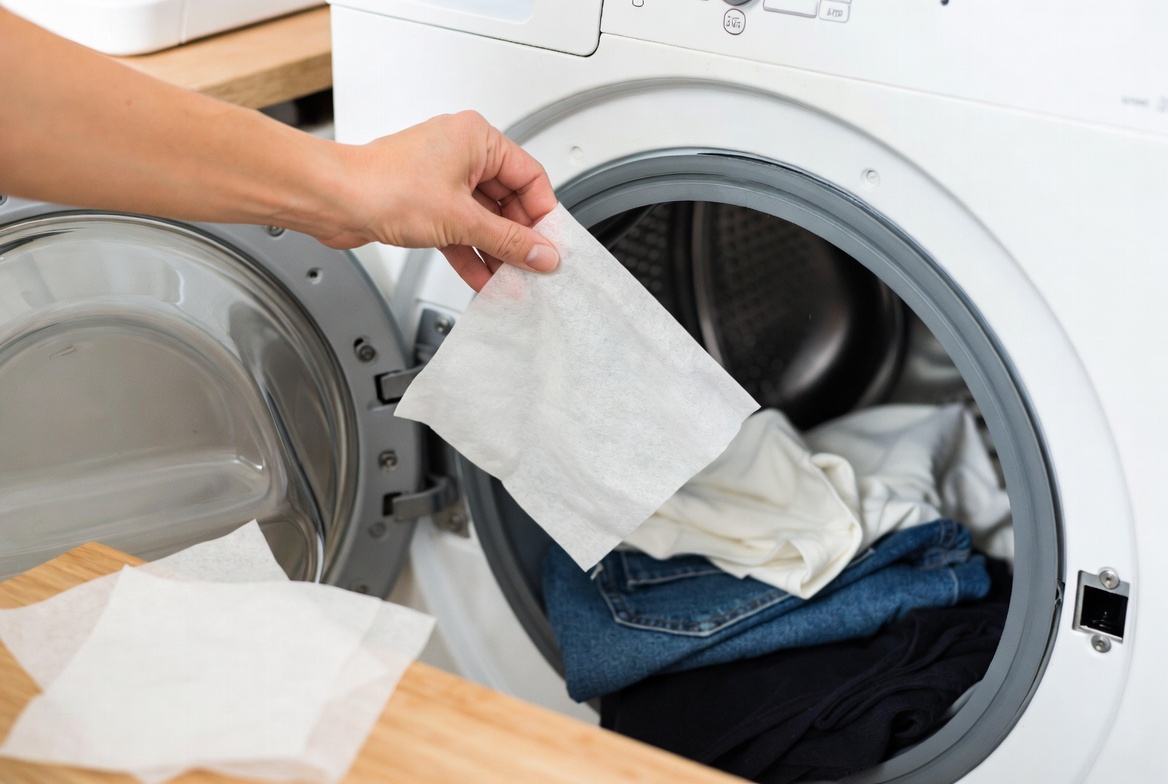
● Why Laundry Detergent Sheets Help Reduce Residue
● Expert Perspective: How Manufacturers Test for Residue
● Practical Checklist: If Your Clothes Feel Soapy
● When to Consider Replacing Detergent or Changing Products
● Call to Action: Try a Clean-Rinsing Routine with Detergent Sheets
● Frequently Asked Questions (FAQ)
Using too much laundry detergent can leave clothes stiff, streaky, and irritating to skin—but with the right steps, you can safely remove excess detergent and prevent buildup in the future. As a manufacturer of laundry detergent sheets, I'll walk you through expert-backed methods, real user insights, and practical tips that also help you choose and use detergents more smartly. [liveproofed]
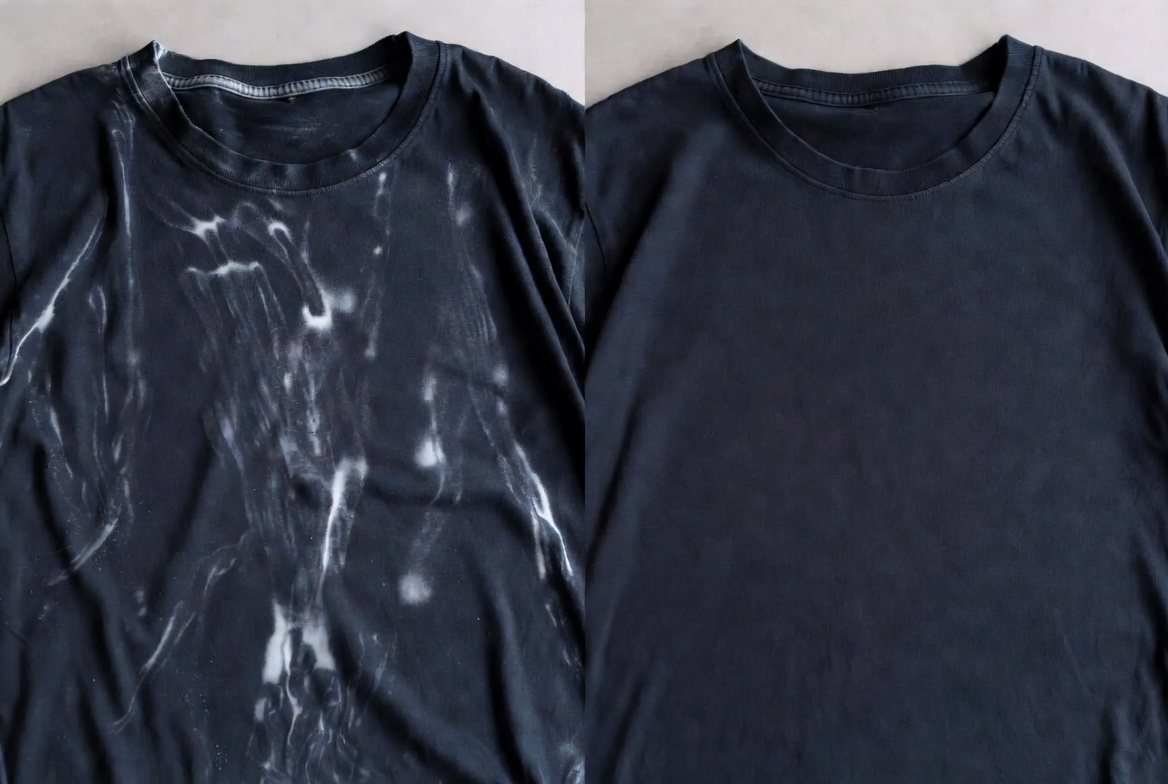
When you add more detergent than your washer and water can handle, the extra surfactants and additives don't fully rinse out. Over time, they form a thin film on fabric and inside your washing machine, which leads to several visible and "feelable" problems. [neatex.co]
Common signs of detergent residue: [realhomes]
- White or blue streaks and splotches on dark clothes
- Fabrics that feel stiff, slimy, or waxy after washing
- Clothes that smell strongly of detergent rather than neutrally clean
- Increased skin irritation, especially for people with eczema or sensitive skin
- Towels that lose absorbency and feel less fluffy
From a manufacturer's perspective, we regularly see that consumers equate "more foam" with "better cleaning", but modern machines and concentrated detergents are designed for low-sudsing, precise dosing. In reality, extra detergent does not mean extra clean—it usually means extra residue. [nytimes]
If your clothes already have visible detergent marks or feel soapy, follow this expert sequence: [liveproofed]
1. Rewash with no detergent
2. Add an extra rinse cycle
3. Adjust water temperature to the fabric
4. Use white vinegar or baking soda if needed
5. Air-dry and check before using heat
Below, we dive into each step in detail, and then we'll show you how to prevent residue—with special focus on detergent sheets, which greatly simplify dosing and rinsing.
The first fix is simple: wash the affected clothes again with water only. [neatex.co]
- Load the garments back into the washer.
- Set your machine to a normal or delicate cycle, depending on the fabric care label.
- Do not add any detergent. The goal is to flush out what's already there.
- If your washer has an "extra rinse" or "rinse+spin" option, turn it on. [reddit]
Water alone—especially with proper agitation—is often enough to dissolve and remove the leftover detergents lodged in fabric fibers. For heavy buildup, you may need to repeat this water-only cycle once or twice. [nytimes]
If you can see white or colored streaks on specific areas, treat those spots before rewashing. [snif]
Targeted spot-treatment options: [realhomes]
- A drop of mild dish soap (for non-delicate fabrics)
- A small amount of rubbing alcohol on a cloth for hardened streaks
- A solution of equal parts white vinegar and water dabbed onto the stain
Steps:
1. Place a clean towel underneath the stained area.
2. Apply a small amount of your chosen treatment.
3. Gently rub the fabric against itself—avoid aggressive scrubbing to protect fibers.
4. Rinse under cool running water until no slick or soapy feel remains.
Then, rewash the garment on a water-only cycle as described above so the entire piece is evenly rinsed. [liveproofed]
Water temperature plays a major role in dissolving detergent residue. [neatex.co]
- Hot or warm water dissolves detergent faster and helps release buildup.
- Cool or cold water is safer for delicate fabrics and bright colors.
Best practice:
- Check the care label and use the warmest water the fabric can safely tolerate. [realhomes]
- For towels, cotton shirts, and sheets, a warm or hot cycle often gives better results when stripping detergent. [reddit]
As manufacturers, we design detergent sheets to dissolve even in cold water, but for removing existing residue, slightly warmer water is usually more effective.
For clothes that still feel soapy or stiff after a second wash, add a laundry-safe helper to break down the buildup. [snif]
Option 1: White vinegar rinse
- Add ½ to 1 cup of white vinegar to the fabric softener compartment or directly into the rinse cycle. [nytimes]
- Run a rinse cycle with warm water if the fabric allows it.
- Vinegar helps break down detergent residues, neutralize odors, and soften fabric without leaving a vinegar smell once dry. [neatex.co]
Option 2: Baking soda soak
- Fill a basin or tub with warm water.
- Add ½ cup of baking soda and stir to dissolve.
- Soak garments for 15–30 minutes, gently agitating them by hand. [snif]
- Rinse thoroughly and run a short machine rinse cycle afterward.
Household brands and appliance experts have consistently recommended vinegar and baking soda as effective home-grade solutions to stripping detergent buildup when used correctly. [realhomes]
Before placing garments in a dryer, always inspect them after rewashing. [liveproofed]
- Check for remaining streaks or stiffness.
- Rub the fabric between your fingers; it should feel clean, not slippery or slimy.
- If you still see residue, repeat a water-only rinse or vinegar rinse before drying.
Why this matters:
- Heat from dryers can set stains or streaks permanently, making them harder to remove later. [liveproofed]
- Air-drying allows you to inspect garments as they dry and prevents baked-in residue.
For delicate fabrics, always follow the care label and consider air-drying on a rack after you're sure the detergent has been fully rinsed out.
Preventing residue is far easier than fixing it. Below are expert-backed prevention tips plus an explanation of how laundry detergent sheets address many of these issues by design. [law6media]
Most people use more detergent than they need. [brunointerior.co]
- Follow the dose instructions on the pack based on load size and soil level.
- If your water is soft or your washer is high-efficiency (HE), you may need significantly less than traditional doses. [nytimes]
- When in doubt, it's usually safer to slightly under-dose than over-dose. [realhomes]
Industry case studies show that brands who educate customers about proper dosing see fewer customer complaints about residue and skin issues, and achieve higher satisfaction with the same formula. [inboundpursuit]
Overfilled drums prevent water and detergent from circulating properly. [reddit]
- Aim to fill the drum to about 70–80% of its capacity; clothes need space to move. [reddit]
- If clothes are packed tightly against the door or top, you've likely overloaded.
Proper load size improves both cleaning performance and rinsing, reducing residue and fabric wear. [neatex.co]
If anyone in your household has sensitive skin, allergies, or eczema, an extra rinse is a simple safeguard. [nytimes]
- Enable the "extra rinse" function on your washer as default for towels, baby clothes, and activewear.
- Consider using fragrance-free or hypoallergenic detergents with fewer additives. [neatex.co]
Health-oriented cleaning guides often highlight that even small amounts of leftover surfactants or fragrances can trigger itching and irritation, making thorough rinsing essential. [nytimes]
As a manufacturer specializing in laundry detergent sheets, we developed this format to address exactly the kinds of problems caused by traditional over-pouring. [inboundpursuit]
Key advantages of detergent sheets:
- Pre-measured dosing: Each sheet contains a controlled amount of detergent, reducing the risk of overuse.
- High solubility: Quality sheets are engineered to dissolve quickly in both hot and cold water, minimizing undissolved particles. [brunointerior.co]
- Low-sudsing formulation: They are typically optimized for modern HE and standard machines, helping limit foam and residue. [neatex.co]
- No heavy fillers: Many sheet formulas are built around concentrated active ingredients rather than bulk fillers that can accumulate in fibers. [law6media]
From our own manufacturing experience, we've seen that customers switching from powdered or heavily fragranced liquids to detergent sheets report fewer issues with: [inboundpursuit]
- Residue streaks on dark fabrics
- Stiff towels
- Skin discomfort after wearing freshly washed clothes
By combining the right sheet dosage with proper load sizes and rinse settings, you can dramatically reduce detergent buildup while maintaining strong cleaning performance.
To align with global brand requirements and OEM/ODM standards, responsible manufacturers routinely test how easily their detergent formulas rinse out. [law6media]
Typical lab and field tests include:
- Measuring residual surfactant levels on fabric after standard and extra rinse cycles
- Evaluating fabric feel (hand feel tests) after multiple wash/rinse repetitions
- Using colored test fabrics to visually check for streaks or spotting at different dosages
- Testing performance in hard water vs. soft water scenarios
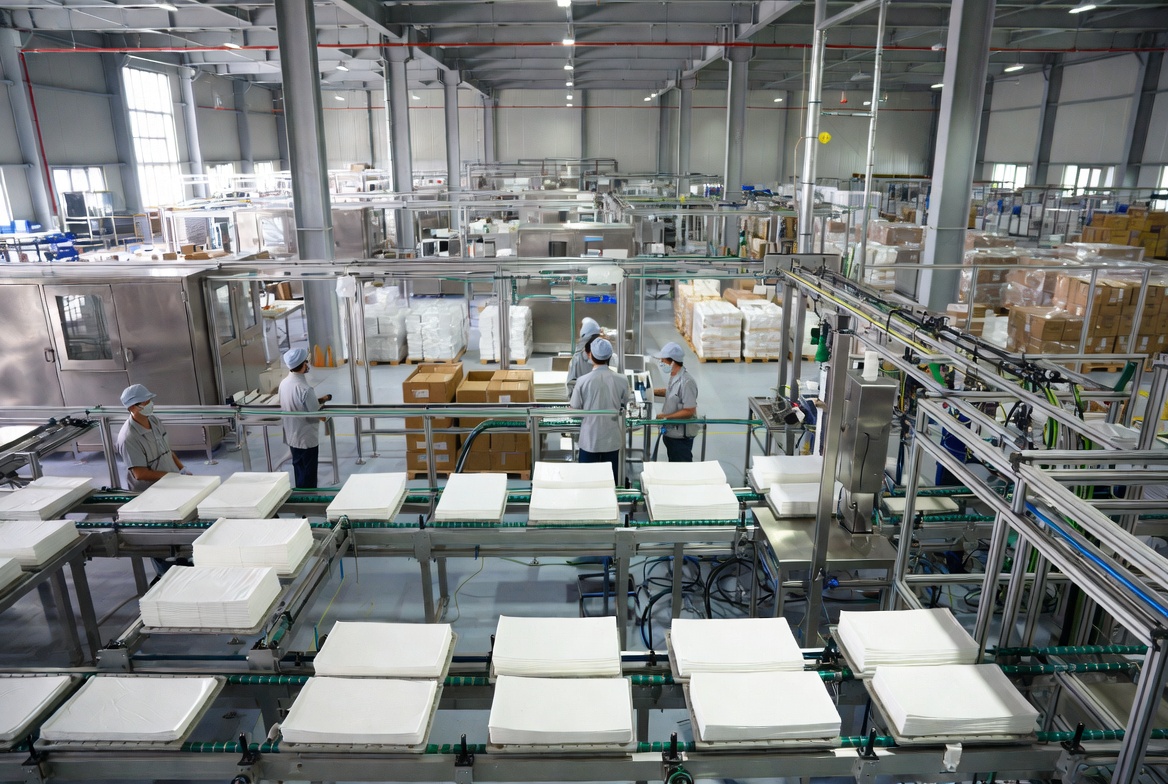
In our factories, annual capacity of 30,000–40,000 tons of laundry and cleaning products means we work with over 300 global brands, each with their own performance requirements for rinsability and skin-friendliness. This gives us a large data set to refine formulas so they clean effectively without leaving buildup when used as directed. [inboundpursuit]
Use this quick checklist whenever you suspect detergent residue:
Before washing:
- Are you using more detergent than the label suggests?
- Is the drum overfilled?
After washing:
- Do you see streaks, white spots, or a strong detergent odor?
- Does the fabric feel stiff or slippery?
If yes, then:
1. Run a water-only wash with an extra rinse. [liveproofed]
2. Add white vinegar to the rinse if residue persists. [nytimes]
3. Check again before drying; repeat as needed. [realhomes]
Combining these steps with detergent sheets and consistent dosing dramatically lowers the odds of ever facing heavy detergent buildup again. [law6media]
Sometimes the issue isn't just how much detergent you use, but what type.
You may want to switch products if: [realhomes]
- You consistently see residue even after reducing dosage and using extra rinse
- You or your family develop itchiness, redness, or rashes after wearing freshly washed clothes
- Your towels stop absorbing water and feel coated or waxy
In these cases, consider:
- A low-residue, hypoallergenic formula
- Laundry detergent sheets with balanced surfactants and no heavy fillers
- Fragrance-free or low-fragrance options if you're sensitive to perfumes
OEM and ODM partners worldwide increasingly request sheet detergents precisely because they are easier to standardize, dose, and market as "clean-rinsing" solutions to consumers. [brunointerior.co]
If you're tired of sticky, streaky laundry and guessing how much detergent to pour, it may be time to rethink your laundry routine.
- Switch to pre-measured detergent sheets to avoid over-dosing.
- Combine them with proper load sizing and an extra rinse for sensitive items.
- Monitor how your clothes feel and smell after 3–5 washes with your new routine.
As a manufacturer serving 300+ brands worldwide, we've seen how small changes—like switching to detergent sheets and optimizing rinsing—significantly improve fabric comfort, skin friendliness, and customer satisfaction. If you work with private label or OEM solutions, you can integrate these benefits directly into your brand story. [inboundpursuit]
1. Why do my clothes still feel soapy after multiple rinses?
This typically means there is significant detergent buildup inside the fibers, often from long-term over-dosing or using very heavy, high-fragrance formulas. You may need repeated water-only cycles, a vinegar rinse, and a switch to a lower-residue detergent or detergent sheets. [reddit]
2. Is it safe to use vinegar in every rinse cycle?
Used in moderate amounts (typically ½–1 cup per load), white vinegar is considered safe for most fabrics and is widely recommended by cleaning experts to help break down residues. However, for elastic, delicate, or specialty fabrics, always check the care label and test on a small area first. [neatex.co]
3. Can detergent sheets be used in both HE and standard washers?
Most modern detergent sheets are formulated to be compatible with both HE and traditional machines, offering low-sudsing performance and quick dissolution. Always check the product instructions, but in our manufacturing practice, sheets are specifically optimized for HE systems and conventional top-loaders alike. [law6media]
4. How do I know I'm using the right number of detergent sheets per load?
Follow the manufacturer's dosing guide, which typically suggests 1 sheet for light/medium loads and 2 sheets for heavier or very soiled loads. If your water is soft, you can often stick to the lower end of the recommended range while still achieving excellent cleaning and rinsing. [brunointerior.co]
5. Does using more detergent make clothes whiter or cleaner?
In most cases, using more detergent than recommended does not improve cleaning and instead increases residue, especially in modern HE washers. Effective cleaning comes from the right balance of water, mechanical action, appropriate detergent dose, and correct cycle selection. [realhomes]
1. LiveProofed – "How to Remove Excess Laundry Detergent From Your Clothing" (blog article on detergent residue removal). https://liveproofed.com/blogs/science/how-to-remove-excess-laundry-detergent-from-your-clothing
2. Neatex – "Rinse Detergent Out of Clothes Properly to Avoid Skin Irritation" (guide on detergent rinsing best practices). https://neatex.co.uk/blog/how-to-rinse-detergent-out-of-clothes/
3. Real Homes – "How to get laundry detergent stains out of clothes — and stop it happening again" (expert advice on treating detergent stains). https://www.realhomes.com/advice/how-to-get-laundry-detergent-stains-out-of-clothes
4. New York Times Wirecutter – "Stop Using So Much Laundry Detergent" (expert discussion on dosing and residue). https://www.nytimes.com/wirecutter/blog/stop-using-so-much-laundry-detergent/
5. Reddit r/laundry – "Best method to quickly remove detergent buildup from a large amount of clothes?" (community discussion on detergent stripping methods). https://www.reddit.com/r/laundry/comments/1gdhf3i/best_method_to_quickly_remove_detergent_buildup/
6. InboundPursuit – Home & Cleaning SEO case study (content strategy for laundry brands and detergent sheets). https://www.inboundpursuit.com/case-studies/home-and-cleaning/
7. Law 6 Media – "How I Helped Laundry Sauce Dethrone Tide Pods and Boost Revenue 176%" . https://www.law6media.net/case-studies/laundry-sauce-seo-case-study


